




Blog / Feldman Chevrolet of Lansing Service

What Goes Into The Car Servicing Process?

What Goes Into The Car Servicing Process?

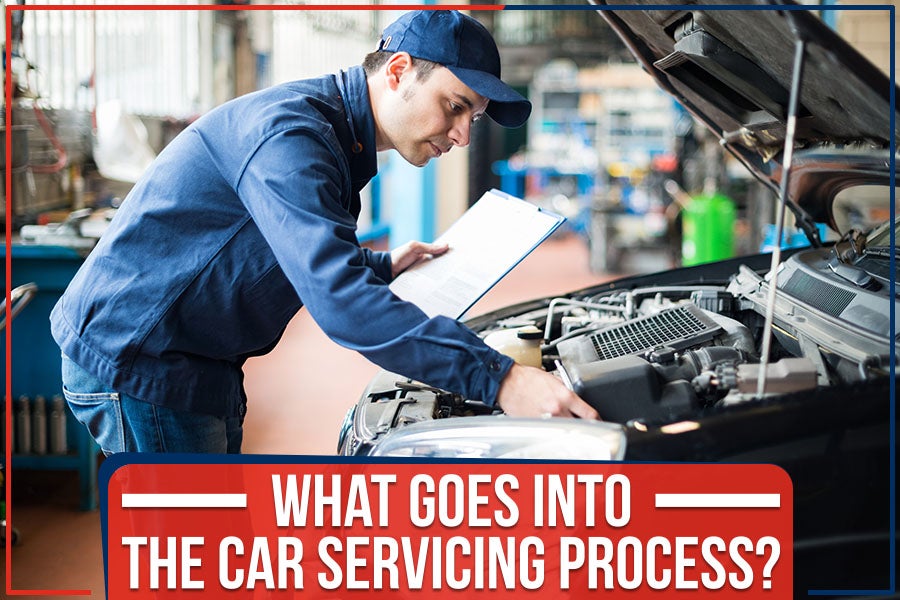
Servicing your car regularly is essential for proper car maintenance. It helps prevent malfunctions and breakdowns, thereby giving you more time on the road with less hassle. Improper servicing can also lead to expensive repairs in the future. The best way of ensuring that you get a reliable service and maintain your vehicle’s value is by going to an authorized dealership service center. Here we will provide information about this critical process.

New Engine Oil & Filter

New engine oil & filter is one of the most important aspects of car servicing. The oil and filter help keep your engine running smoothly, which helps preserve the life of your vehicle. The engine oil is responsible for regulating the temperature of your engine, as well as lubricating and protecting it so that all moving parts will remain in perfect condition.

It also plays a part in preventing rusting and corrosion on metal surfaces. This process must be done every six months or 3,000 miles to keep your car running smoothly, whichever comes first.

Fluid Top Offs

Another important part of a car servicing process is keeping all the fluids at their optimum levels. This includes brake fluid, transmission fluid, power steering fluid, and antifreeze/coolant. Checking and topping off these fluids as necessary will help keep your car running smoothly and extend the life of your vehicle's components.

Tire Inspection

It's also important that you maintain the appropriate tire pressure. The right level of air in the tires is necessary to ensure they are worn evenly and help keep them from wearing out too quickly. Driving on low pressure tires will put unnecessary strain on all other components, increasing their wear rate substantially.

Brake Pads & Brake Discs Inspection

The brake pads and discs are another important safety feature of your car. You must ensure they are functioning properly at all times, as even slight damage could lead to an accident or severe injury if the brakes fail while driving at high-speed road. Detecting early signs of wear is also crucial since it may be possible to avoid a costly and risky full replacement.

Timing Belt Replacement (if necessary)

A timing belt is a critical engine component that ensures the valves open and close correctly. If it fails, your car will stop running immediately. Depending on your vehicle's make and model, the timing belt may need to be replaced as often as every 60,000 miles - so don't forget to factor this into your long-term vehicle maintenance plan.

Regular servicing at a dealership service center is crucial for keeping your car running smoothly and avoiding breakdowns on the road. It's also essential for maintaining a high resale value as it can give potential buyers confidence that you have looked after it well.

Here at Feldman Chevrolet of Lansing, serving Jackson, MI, we offer several service packages to suit your budget, including everything from oil changes to full engine rebuilding. Get your vehicle impeccably serviced by our certified car technicians and maintain your car in the best possible manner. Schedule an appointment with our service center now.
Posted in:

Related Posts

Android Auto Or Apple CarPlay? Which One Should I Use?

Android Auto Or Apple CarPlay? Which One Should I Use?

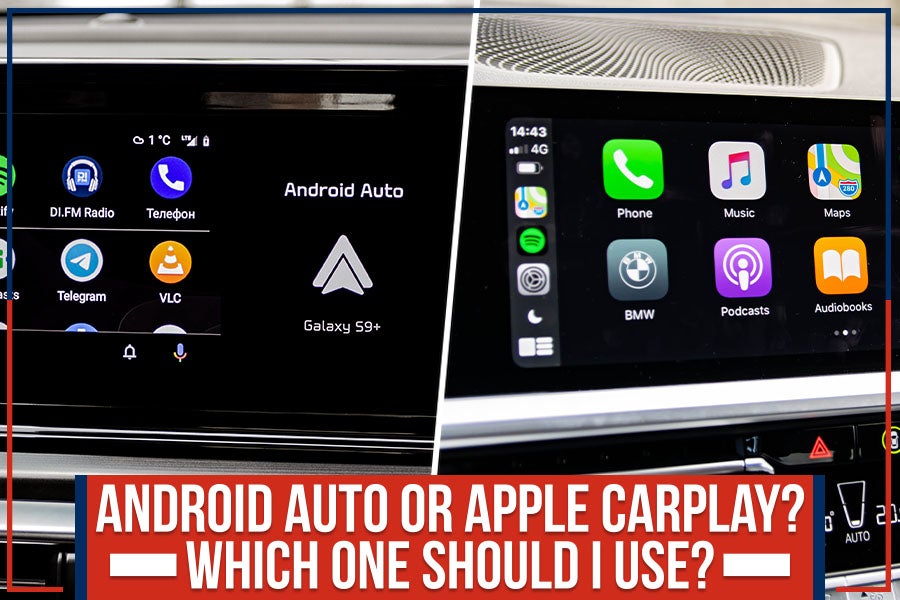
When choosing a car infotainment system, there are two main options: Android Auto or Apple CarPlay. Both of these systems allow you to connect your smartphone to your car and use its features on the screen in your dashboard. So which one is right for you? We'll compare Android Auto and Apple CarPlay and help you decide which one is best for you. What is Android Auto? Android Auto is a system that authorizes you to use your Android smartphone in your car. You can control it through the touchscreen, steering wheel controls, or voice commands. It lets you make hands-free calls, send text messages, and access maps and music apps. Google is known for building user-friendly and robust products, so it's no surprise that Android Auto is one of the best options available. It has a sleek interface and integrates well with your car's existing infotainment system. One of the best things about Android Auto is that it's constantly improving. Google releases new updates regularly, adding new features and making the system more user-friendly. What is Apple CarPlay? It's a system that lets you use your iPhone in the car. Like Android Auto, it allows you to make hands-free calls, send text messages, access maps, music apps, and more. CarPlay is available on a broad range of vehicles from different manufacturers. You can use Siri to access and control most of the features on CarPlay. Siri is Apple's virtual assistant, and it can be very helpful when you're driving. You can ask Siri to make phone calls, send text messages, play music, get directions, etc. Do They Make Driving Safer? Both Android Auto and Apple CarPlay can help you stay focused on the road while you're driving. With these systems, you can make hands-free calls and send text messages, so you don't have to take your eyes off the road. You can also utilize voice commands to control many of the features. Both systems also offer navigation features. With Android Auto, you can utilize Google Maps or Waze. With Apple CarPlay, you can use the built-in Maps app or a third-party navigation app like Google Maps. Which One is Better? There is no clear winner in Android Auto vs. Apple CarPlay. It depends on your personal preferences. If you're an iPhone user, you might prefer the familiarity of Apple CarPlay. If you're an Android user, you might choose to integrate with Google Maps and other Google apps. Both systems have their pros and cons, so it's really up to you to decide which one is better for you. Whichever method you choose, you'll be able to enjoy a safer and more convenient driving experience. If you're still undecided on which platform to use in your car, it's important to consider the pros and cons of each. Ultimately, the conclusion comes down to individual preference. Feldman Chevrolet of Lansing, serving Grand Rapids, MI, is your best bet for genuine parts and accessories. With our large inventory and expert staff, we can help you find the perfect OEM part or accessory for your vehicle. Our competitive prices and convenient location make us the ideal choice for all your automotive needs. Check out our genuine car parts and accessories here!

Simple Yet Essential Items For Cleaning Your Car Professionally At Home

Simple Yet Essential Items For Cleaning Your Car Professionally At Home

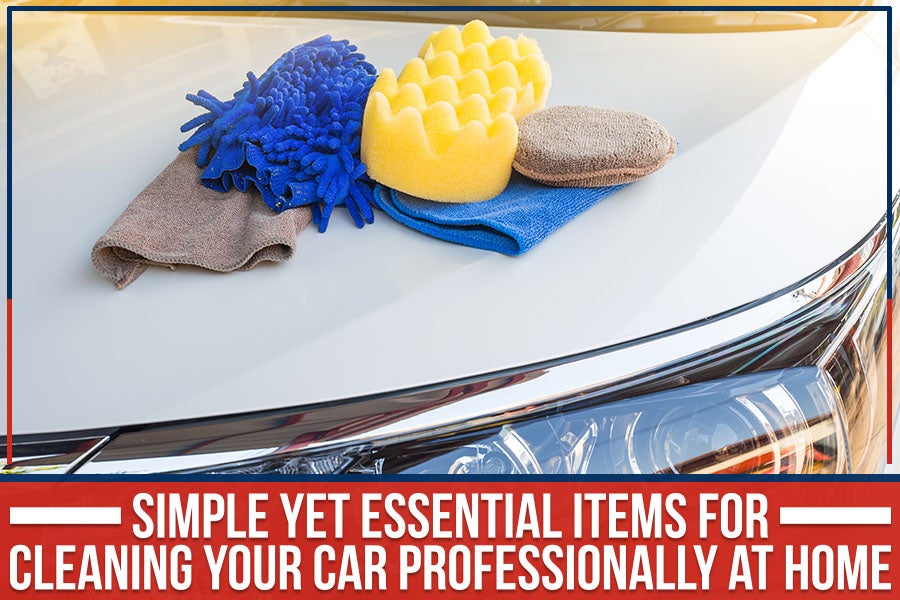
No one enjoys taking their car for a car wash. It's expensive, and it takes up a lot of time. Plus, who knows what kind of chemicals they'll use on your precious vehicle? This is why so many people choose to clean their cars at home. It's cheaper, and you have complete control over the process. This post will discuss the basic items you need for cleaning your car at home. We'll also provide numerous tips on how to get the job done right. 1) Bucket, Soap, Cloth, Sponge, & Brush You will need some specific items to clean your car properly at home. A good quality car soap is key to getting a thorough clean without damaging your paint. Ensure to choose a soap that is good for cars. You will also need a soft cloth or sponge and a brush specifically for cleaning cars. These brushes are designed to be light on your paint and will help you get into all the nooks and crannies of your vehicle. Finally, you will need a bucket to hold all your cleaning supplies. A bucket is essential for car cleaning. Fill your bucket with warm water and add the car soap according to the instructions. This will create suds that you can use to clean the exterior of your car. Rinse off your car with a hose to remove loose dirt and debris. Then, wash your car in sections using your sponge or soft cloth. Work from the top and rinse each section. Pay special attention to areas prone to dirt and grime, such as the tires. 2) Microfiber Towels Once you have finished washing the exterior of your car, it's time to dry it off. A regular towel will do the job, but a microfiber towel is better. Microfiber towels are designed to absorb water quickly, and they won't leave any streaks or lint behind. To dry your car properly: Start by wiping down the windows and mirrors. Move on to the rest of the car, drying it section by section. Once you're finished, give your vehicle a once-over to ensure you didn't miss any spots. 3) Glass Cleaner A glass cleaner will make your windows and windshield shine and help you see better while driving. To use glass cleaner, spray it on the glass and then wipe it off with a microfiber towel. Be sure to do this step in the shade so that the cleaner doesn't dry too quickly and leave streaks. 4) Carpet Cleaner The carpets and upholstery in your car can get just as dirty as the rest of the vehicle. To clean them: Start by vacuuming to remove any loose dirt or debris. Use a carpet cleaner that is designed for cars. Spray the cleaner on the carpet and scrub it in with a brush. Let it sit for a few minutes, and then vacuum it up. You may have to do it again to clean the carpets. Cleaning your car at home doesn't have to be difficult or time-consuming. Using the right products can make your vehicle look new again. These items are essential for any at-home car cleaning project. To provide proper and affordable car care to your vehicle, visit Feldman Chevrolet of Lansing, serving Charlotte, MI, and acquire professional car services from certified car technicians. Schedule a service appointment to prolong your vehicle's life.

4 Essential Fluids That Make Your Car Feel Like Brand New

4 Essential Fluids That Make Your Car Feel Like Brand New

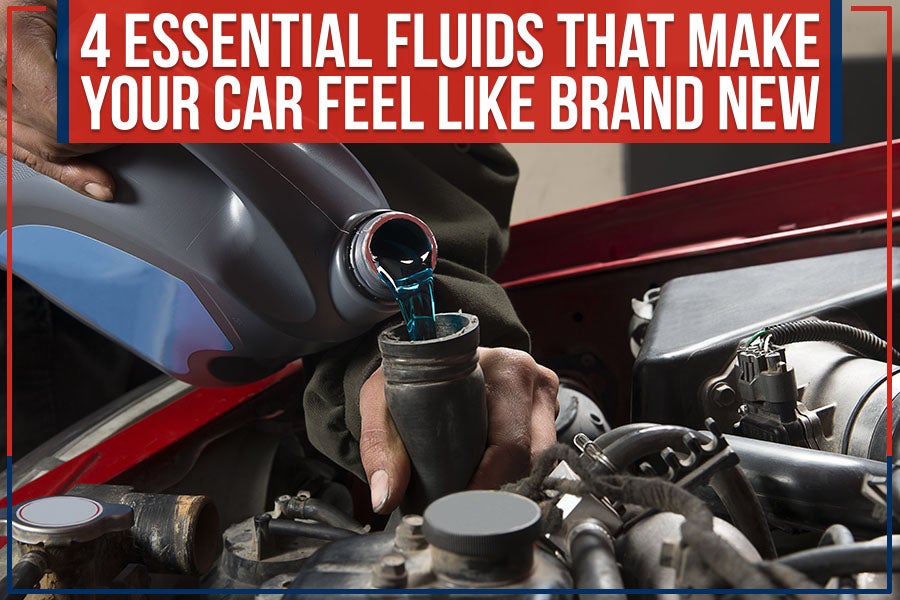
Cars are amazing machines that need a variety of fluids to run smoothly. Sure, changing your car's oil and filter is the most important thing you can do to keep it running well, but there are other fluids you should also be aware of. In this post, Feldman Chevrolet of Lansing will discuss the essential fluids that make your car feel brand new. We'll also share some tips on checking these fluids and when to replace them. So, whether you're a pro gearhead or just starting out with car maintenance, read on for all the basic info you need on keeping your car running smoothly! 1. Engine Oil This is the lifeblood of your engine, so it's essential to make sure it's always topped off. You should check your engine oil level at least every 5,000 to 7,500 miles, and more often if you drive in a hot climate or do a lot of stop-and-go driving. To check the level, locate the oil dipstick (it will be labeled) and pull it out. Wipe it with a towel and reinsert it. Pull it out again, then check the level; it should be between the "minimum" and "maximum" lines. If it's low, add some engine oil (make sure to use the type recommended by your car's manufacturer). 2. Transmission Fluid Your car's transmission fluid ensures smooth shifting between gears. It's essential to keep the transmission fluid level in your car at the correct level, as too little or too much of this can cause problems. You should check it every 30,000 to 60,000 miles. To check the transmission fluid level, locate the transmission dipstick and pull it out. Wipe it with a paper towel and reinsert it. Pull it out again, then check the level; it should be between the "minimum" and "maximum" lines. If it's low, add some transmission fluid, and you'll be good to go. 3. Brake Oil Your car's brake oil is essential for stopping your car. Brake pads rely on brake oil to create friction and stop the car. It's critical to keep the level of brake oil in your car at the optimum level. You should check it every time you get your car serviced. If the brake oil is too low, it can cause the brake pads to wear down faster. To check the brake oil level, locate the brake fluid reservoir and remove the cap. Look at the fluid level; it must be between the "minimum" and "maximum" lines on the reservoir. If it's low, add some brake oil, and your brakes will work perfectly. 4. Car Coolant Your car's engine emits a lot of heat while it's running. If this heat isn't dissipated, it can damage the engine extensively. That's why your car needs coolant, which helps to dissipate the engine heat. If your car doesn't have enough coolant, the engine will overheat, and you'll have to pull over. You can check the coolant level in your car by locating the coolant reservoir and removing the cap. If it's low, add some coolant, and you should be ready for a drive. Ending Note So, if your car is feeling a little lackluster, it might be time for a car fluid change. Here, at Feldman Chevrolet of Lansing, we offer all the essential fluids that can make your car feel brand new. Our team of experts in Grand Ledge, MI, is here to help you keep your vehicle running smoothly and looking great! Schedule a service today, and let us take care of everything for you. Thanks for reading!